

Located in front of the UIC Latino Cultural Center, this habitat was created by the UIC Heritage Garden Interns in 2015 in response to a natural crisis: an 80% drop in the Monarch butterfly population from their historic average over the past 20 years. One major factor in this decline is the destruction of the Monarch butterfly habitat. Caterpillars feed exclusively on milkweed, which has become less available due to pesticides and prairie destruction. Planting a garden can provide food and shelter for pollinators like birds, bats, and of course, butterflies. These beautiful insects need support so they can continue to migrate across the continent each year. The Monarch serves as a symbol of immigration for the Latino community, as it moves freely across North American borders, representing beauty, resilience, and natural survival. In addition to inspiring environmental and climate action, this habitat can help spark conversations about cultural understanding and social justice.
This year, due to a variety of factors , there was an increase in the eastern monarch population. Read the updated report for 2018/2019 by clicking here or going to the following web:
Monarch Kit and Guide
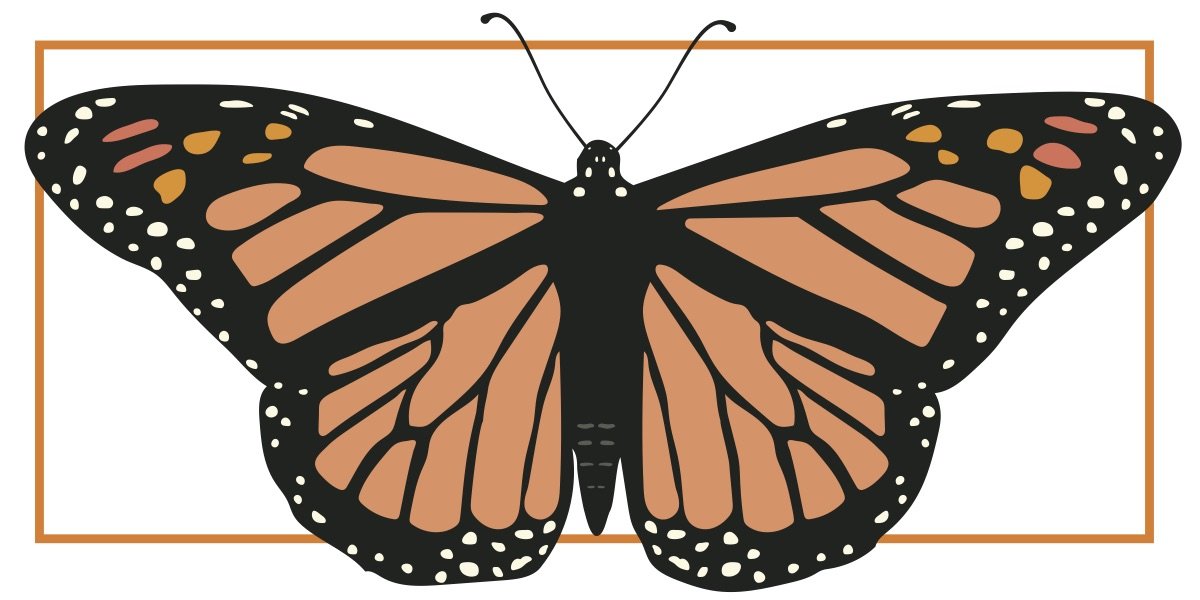
In order to engage diverse audiences on pollinator conservation, the information found on this page, plus additional information, was consolidated into a Monarch Guide and Kit. Materials for these are available in Spanish and English and can be accessed through the following links.
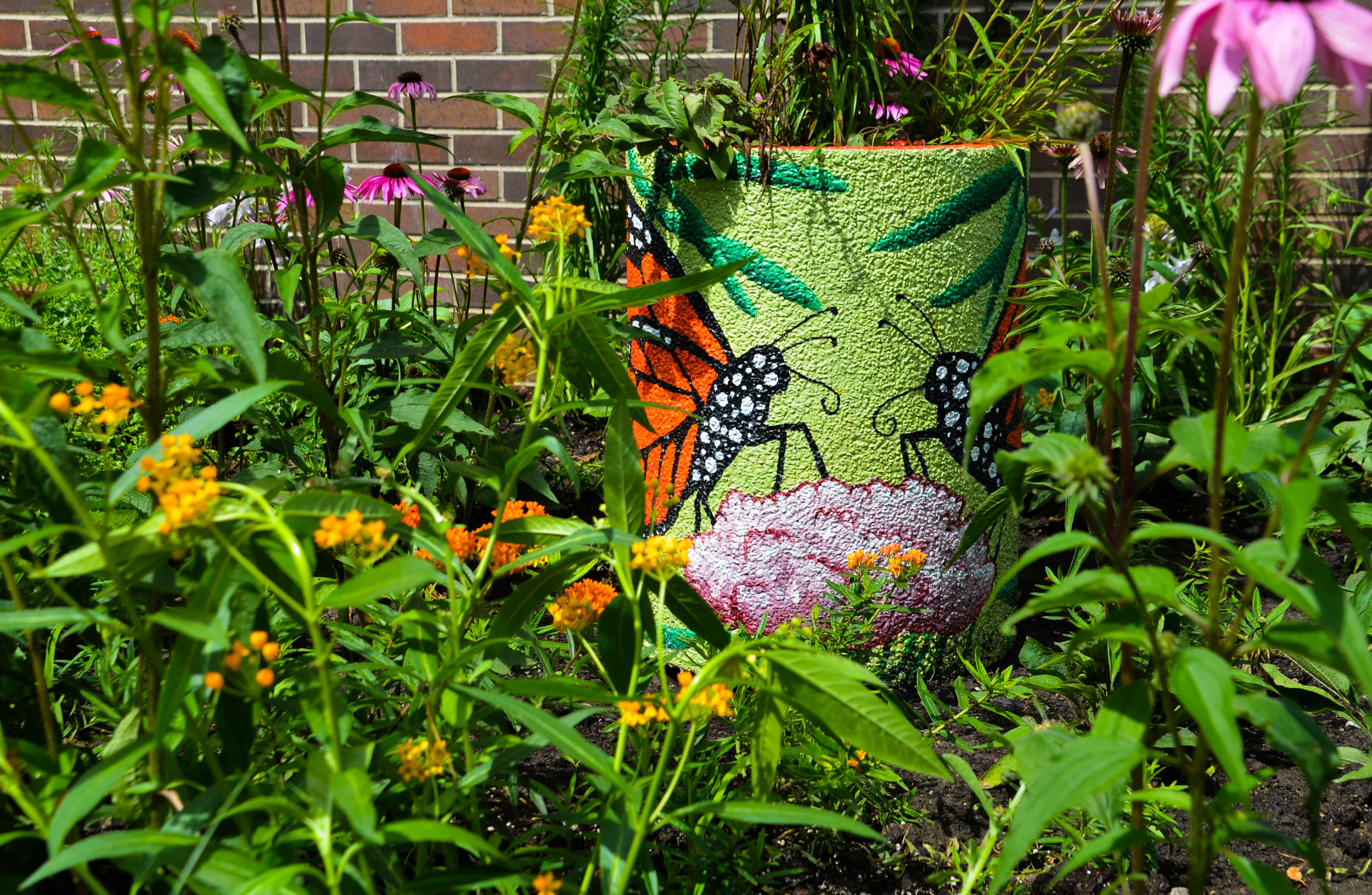

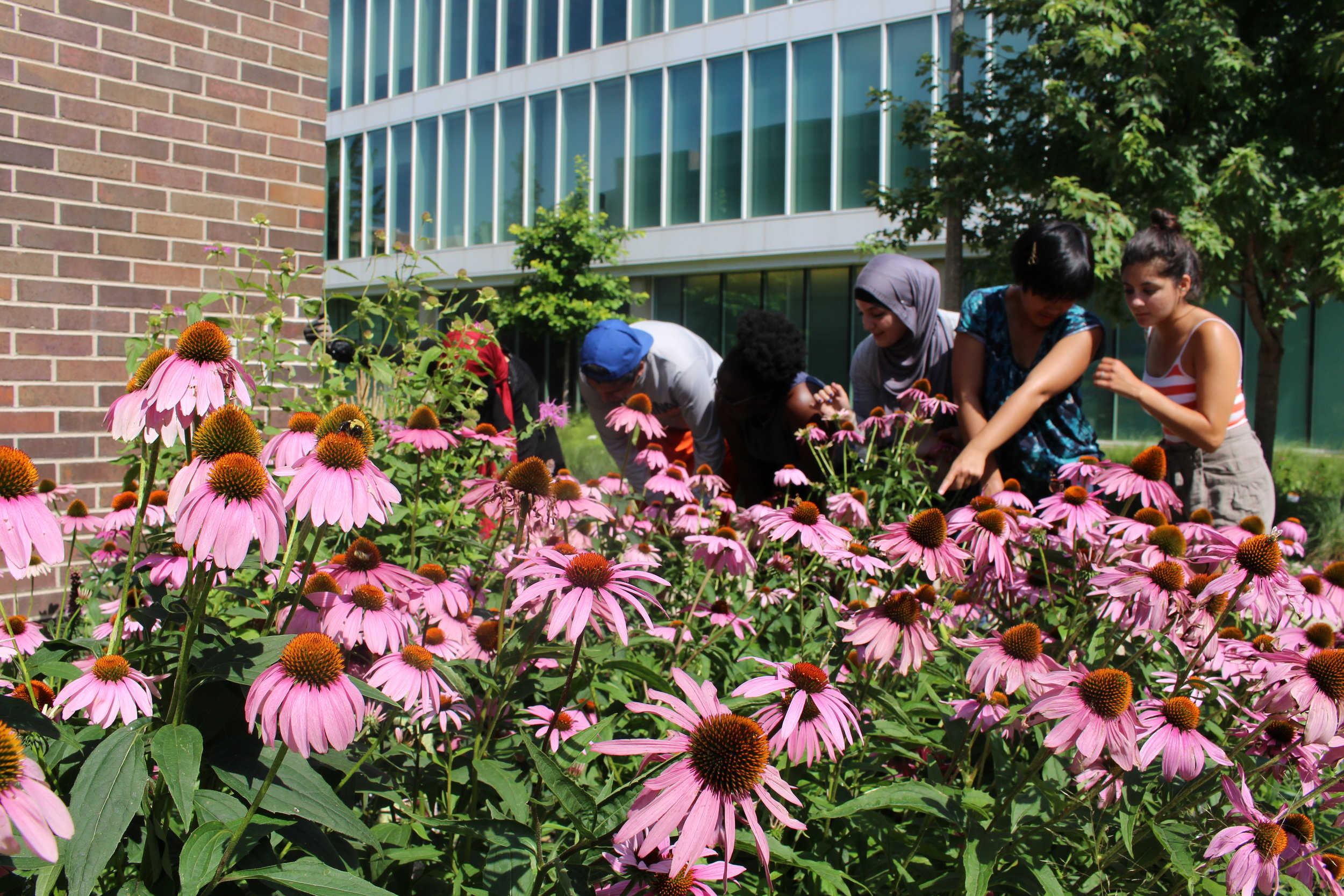
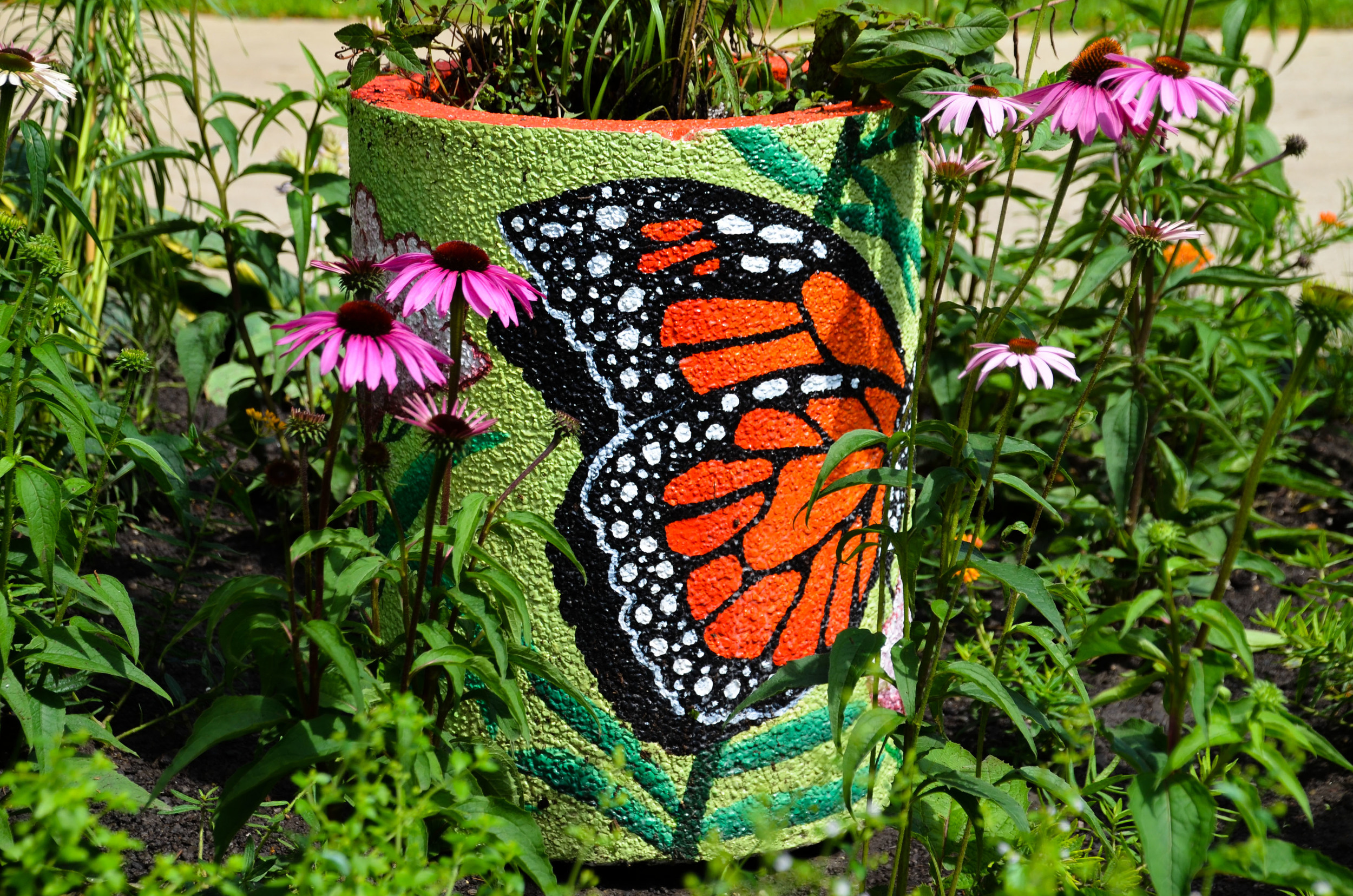
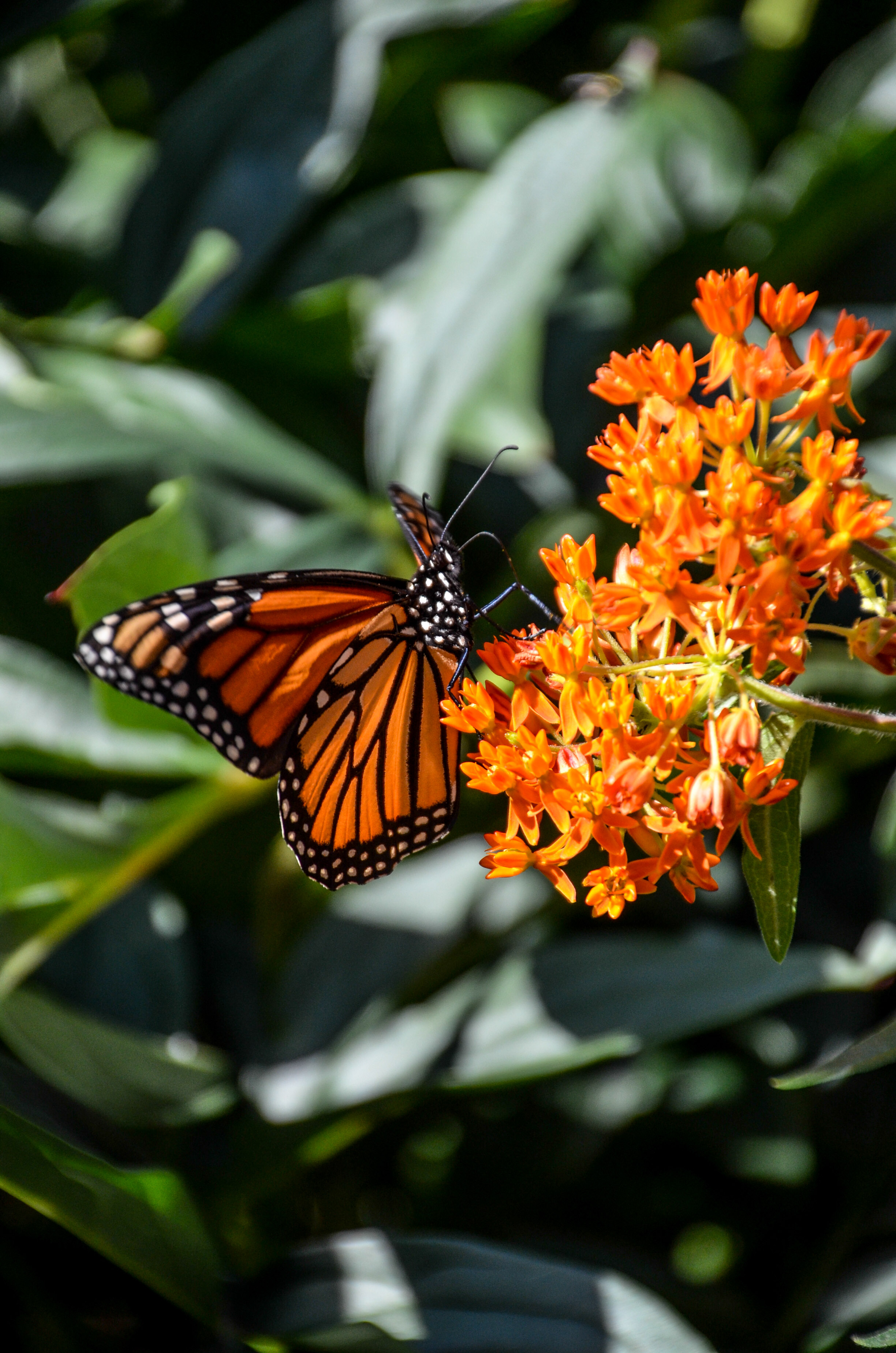
Located in front of the Latino Cultural Center (East Wall), UIC. 803 S. Morgan St., Lecture Center B2, North & East Wall, Chicago, IL, 60607
Spring/Summer Monarch Migration Route
Establishing a Monarch Butterfly Habitat
Size of Planting Area: at least 100 square feet Exposure: at least 6 hours of sun per day Drainage and Soil
Types: low-clay soil with good drainage is ideal Shelter: plants should be close together and spaced, but not overcrowded
Milkweed Plants: at least 10 individual milkweed (multiple species is recommended)
Nectar Plants: at least 4 annual, biennial, or perennial nectar plants that will provide nectar for the butterflies throughout the seasons
Management: water and weed regularly (others: mulch, fertilize, or amend the soil; remove dead stalks; eliminate the use of insecticide; remove invasive plants, and etcetera)
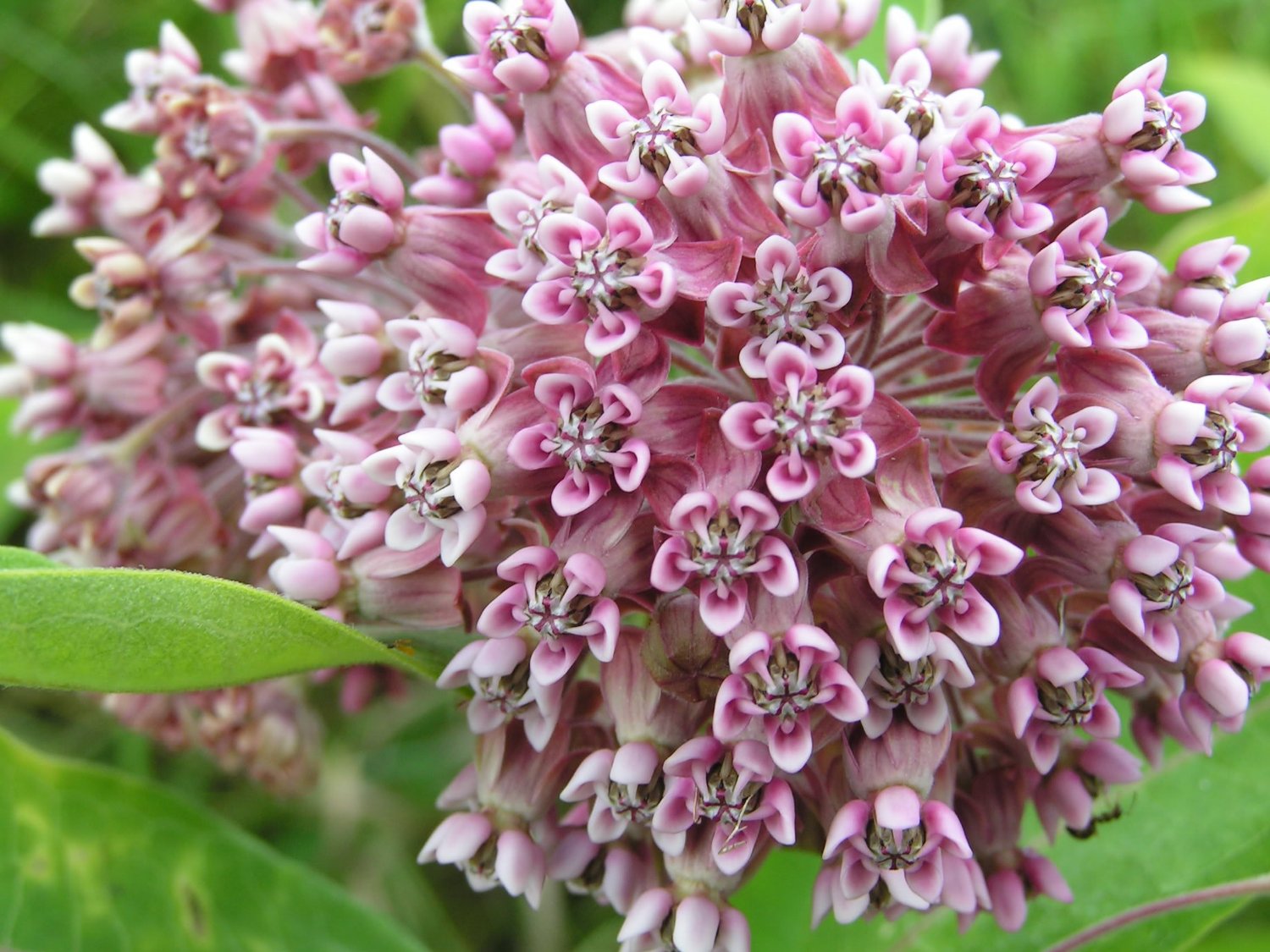
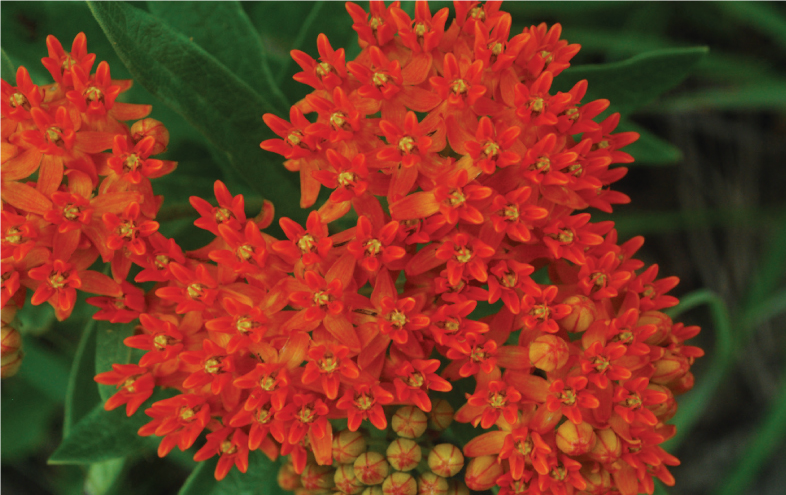
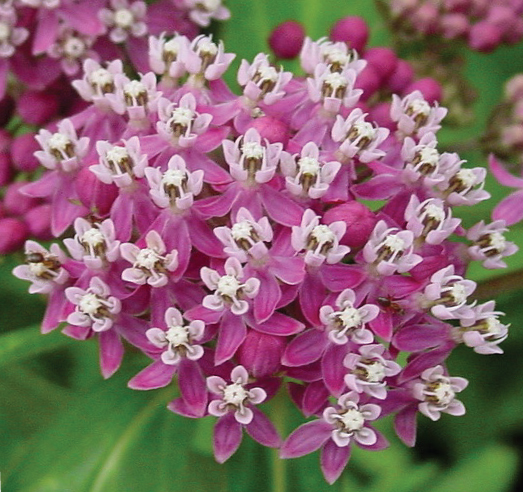
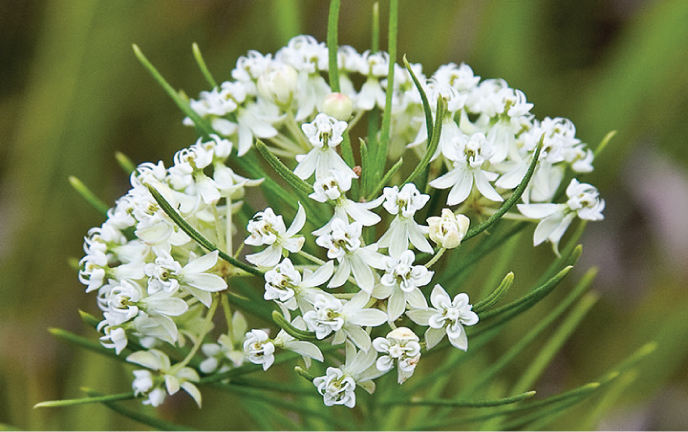
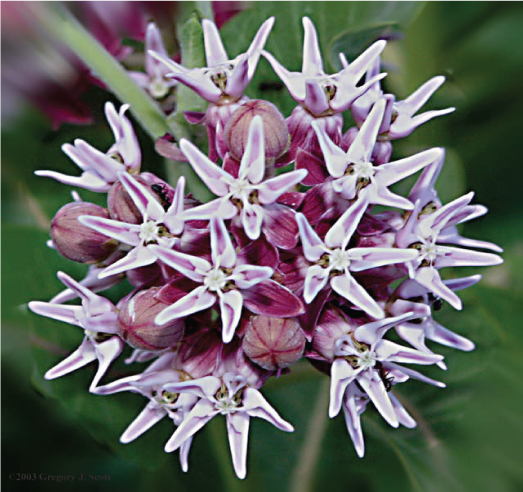
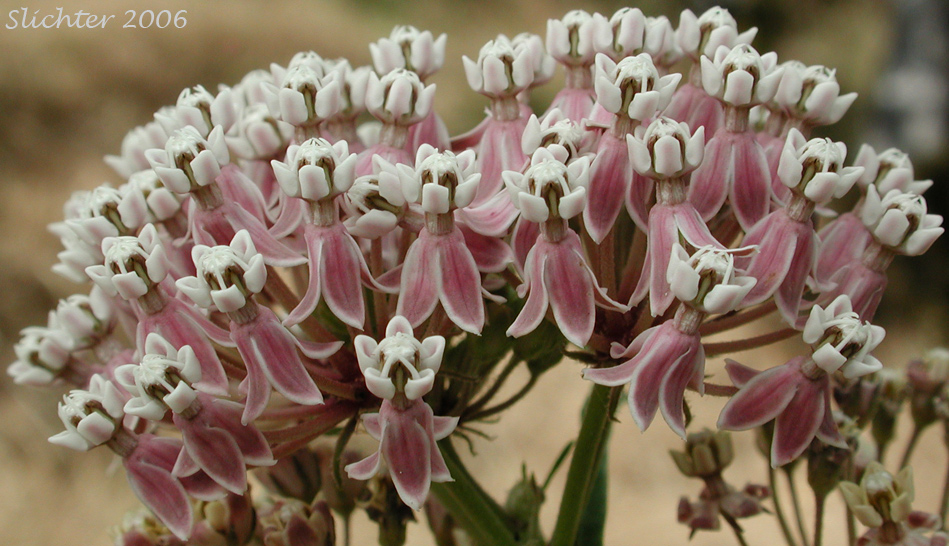
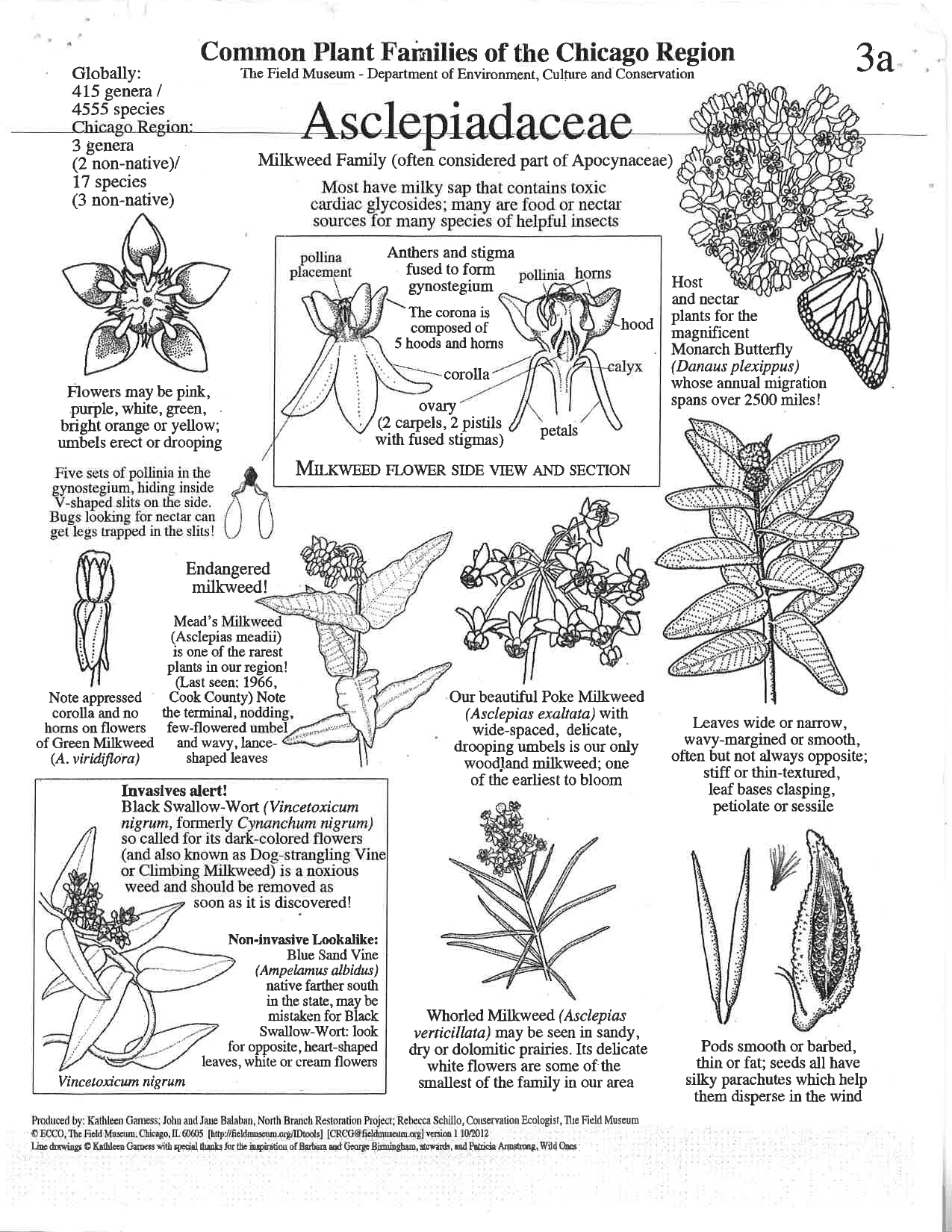
Different Types of Milkweed
Milkweed plants serve as shelter and food for monarch larvae, which are caterpillars with yellow, black, and white bands. Female monarch butterflies lay their eggs underneath the leaves of milkweed plants, where it is safe from predators. Once the eggs hatch, the caterpillars feed solely on milkweed although the plant’s “milk” or white latex is acidic and somewhat poisonous to many animals. Since the monarch caterpillars feed on milkweed, they absorb some of the plant’s acidic and poisonous substances. The substances are stored in their bodies throughout their life. Therefore, the monarchs taste awful to many of their predators.
Different Types of Nectar Plants
Nectar plants should be grown in warm and sunny areas that should be protected from wind by large shrubs, hedge rows, or fences. Nectar plants provide nectar for pollinators such as bees and butterflies. Nectar is a kind of sugar water that contains amino acids, proteins, organic acids, and vitamins. It serves as a fuel and is the only source of energy for pollinators. Butterflies need sugar to fuel their search for mates and egg-laying sites. Without nectars, pollinators cannot fly.
Indian Blanket (Gaillardia pulchella)
Purple Coneflower (Echinacea purpurea)
Joe Pye Weed (Eupatorium purpureum)
Scarlet Sage (Salvia coccinea)
Tithonia Torch, Mexican Sunflower (Tithonia)
Zinnia, Dahlia Mix (Zinnia elegans)
Blue Sage (Salvia farinacea)
Chia (Salvia columbariae)
Blazing Star (Liatris)
Bergamot or Bee Balm (Monarda fistulosa)
Maximilian Sunflower (Heliathus maximilanii)
Goldenrod (Solidago rigida, S. speciosa)
New England Aster (Aste novae-angliae)
Butterfly Food
Milkweed ( Asclepias)
Yarrow (Ahillea)
Black eyed susan ( Rudbeckia)
Purple coneflower ( Echinacea)
Mexican Sunflower (Tithonia)
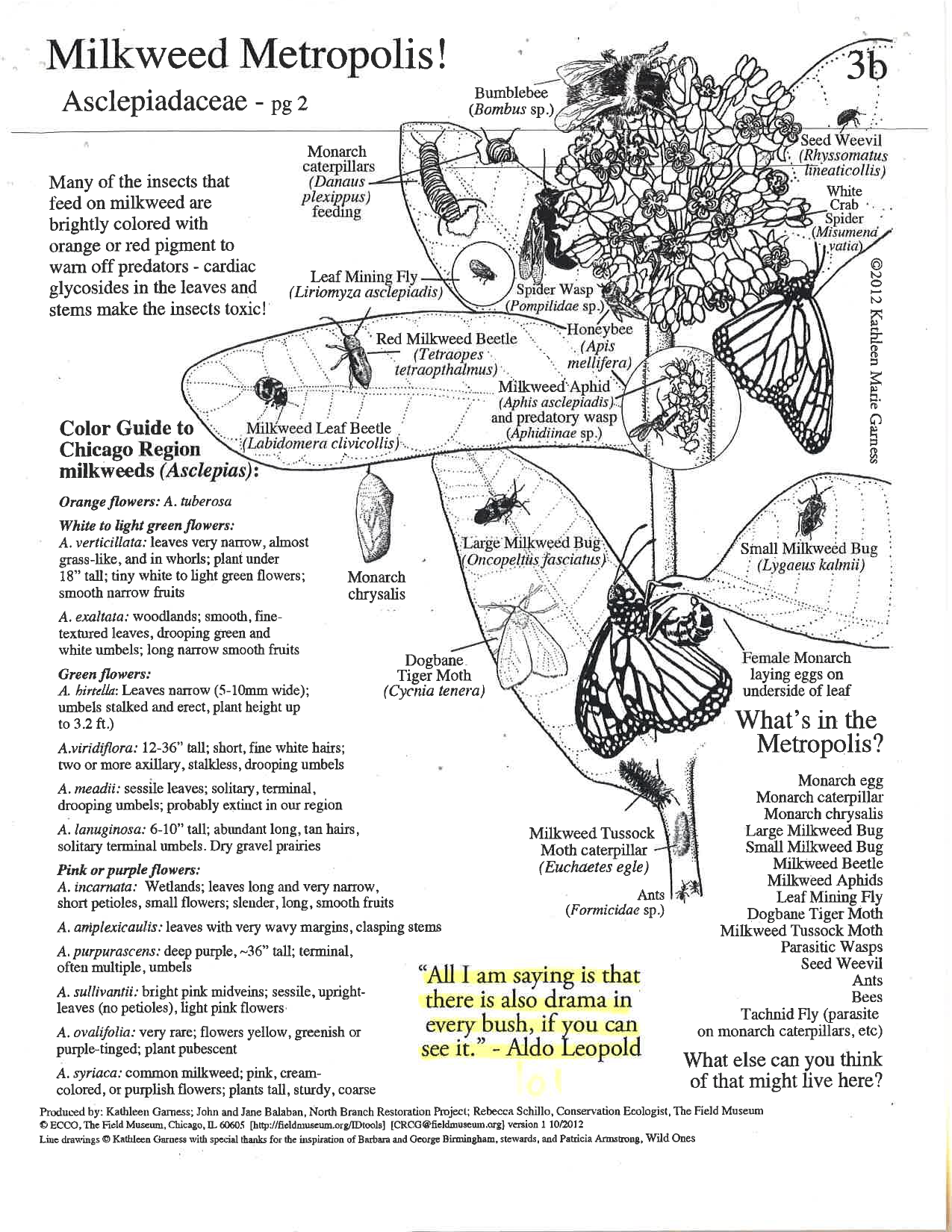

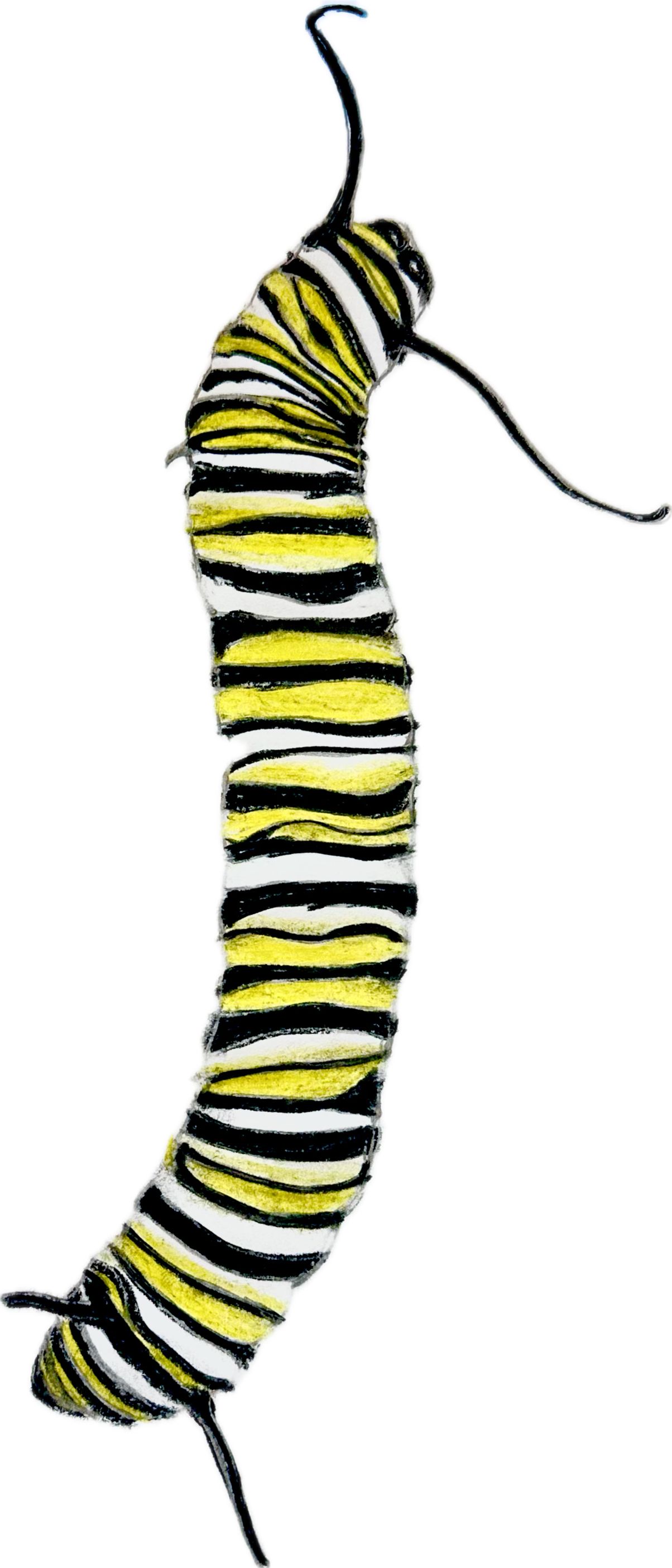

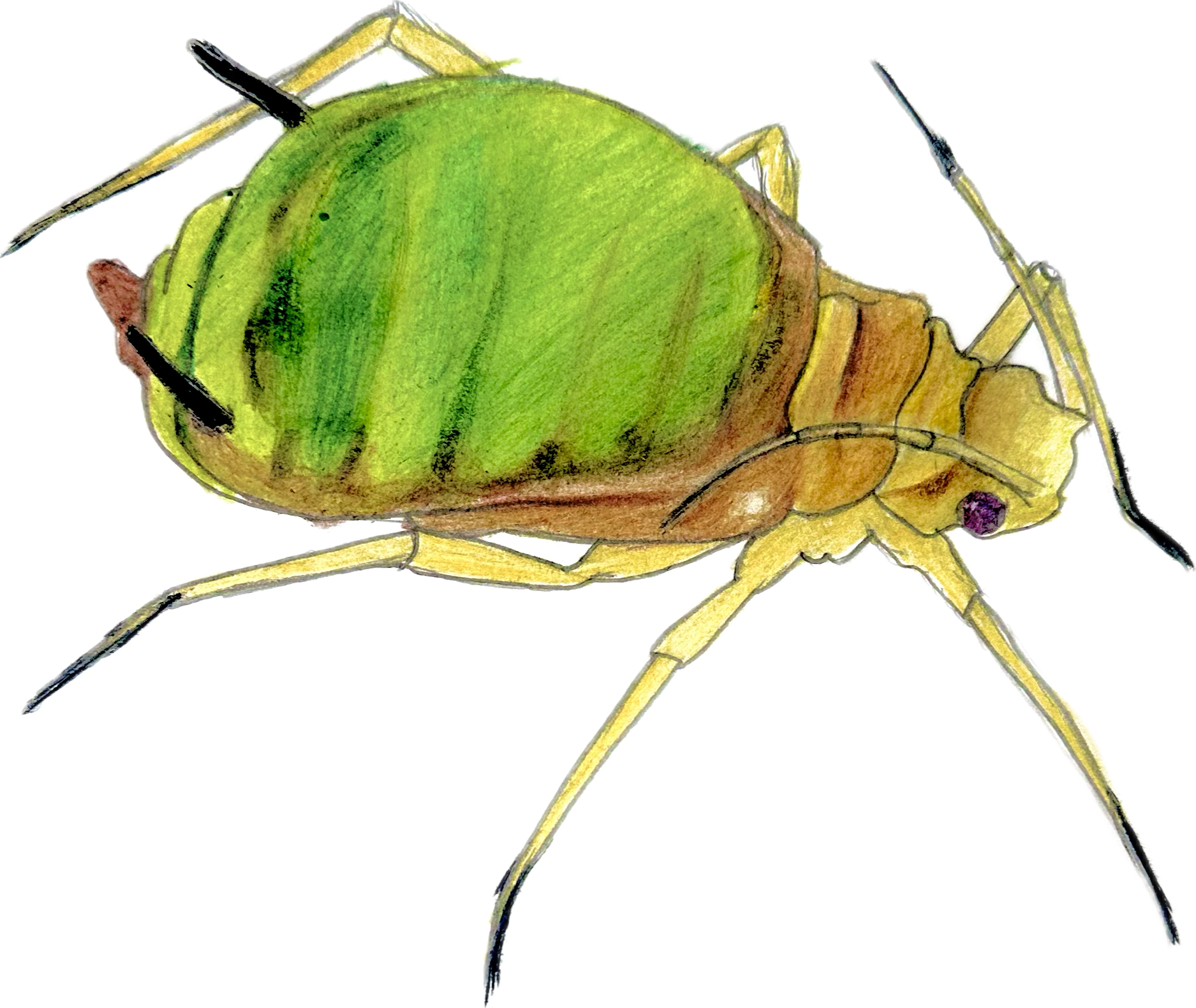
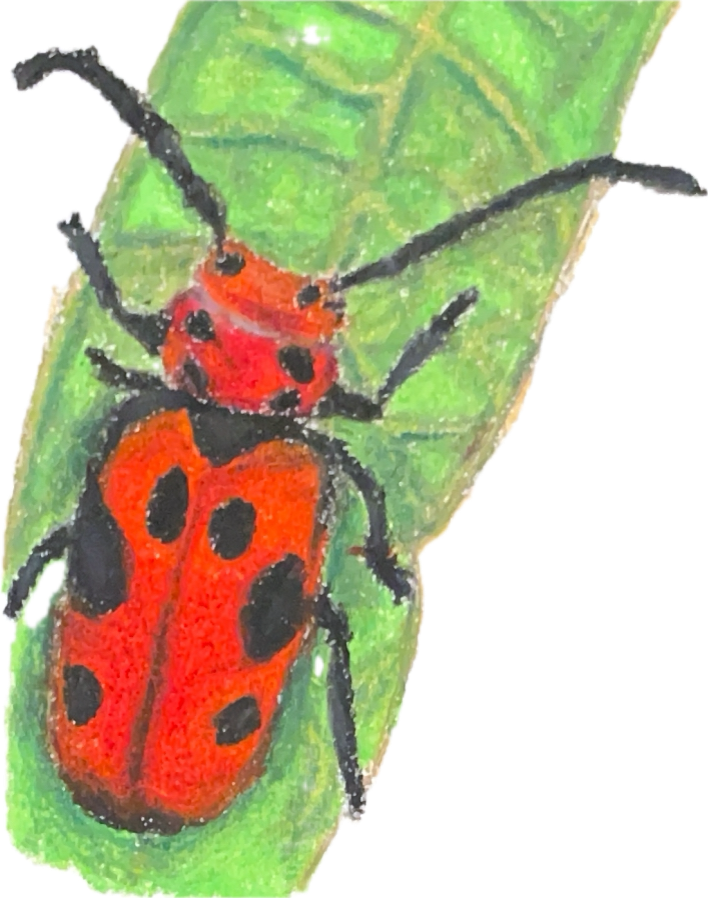

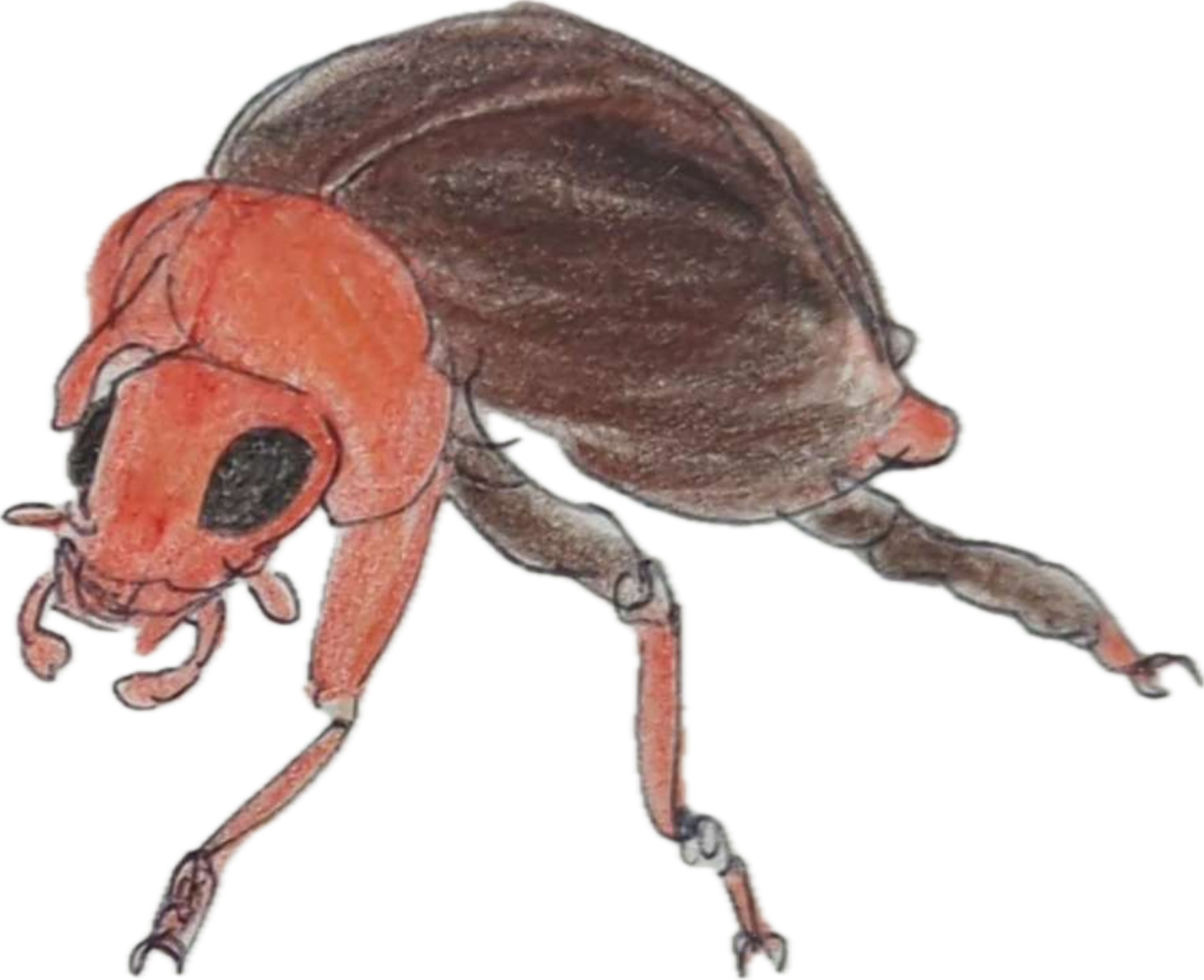
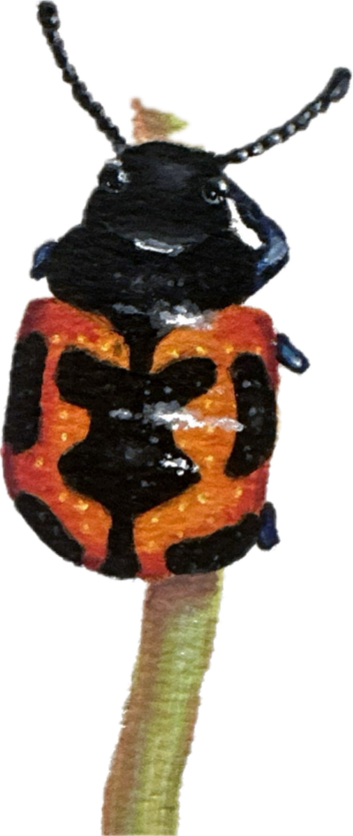
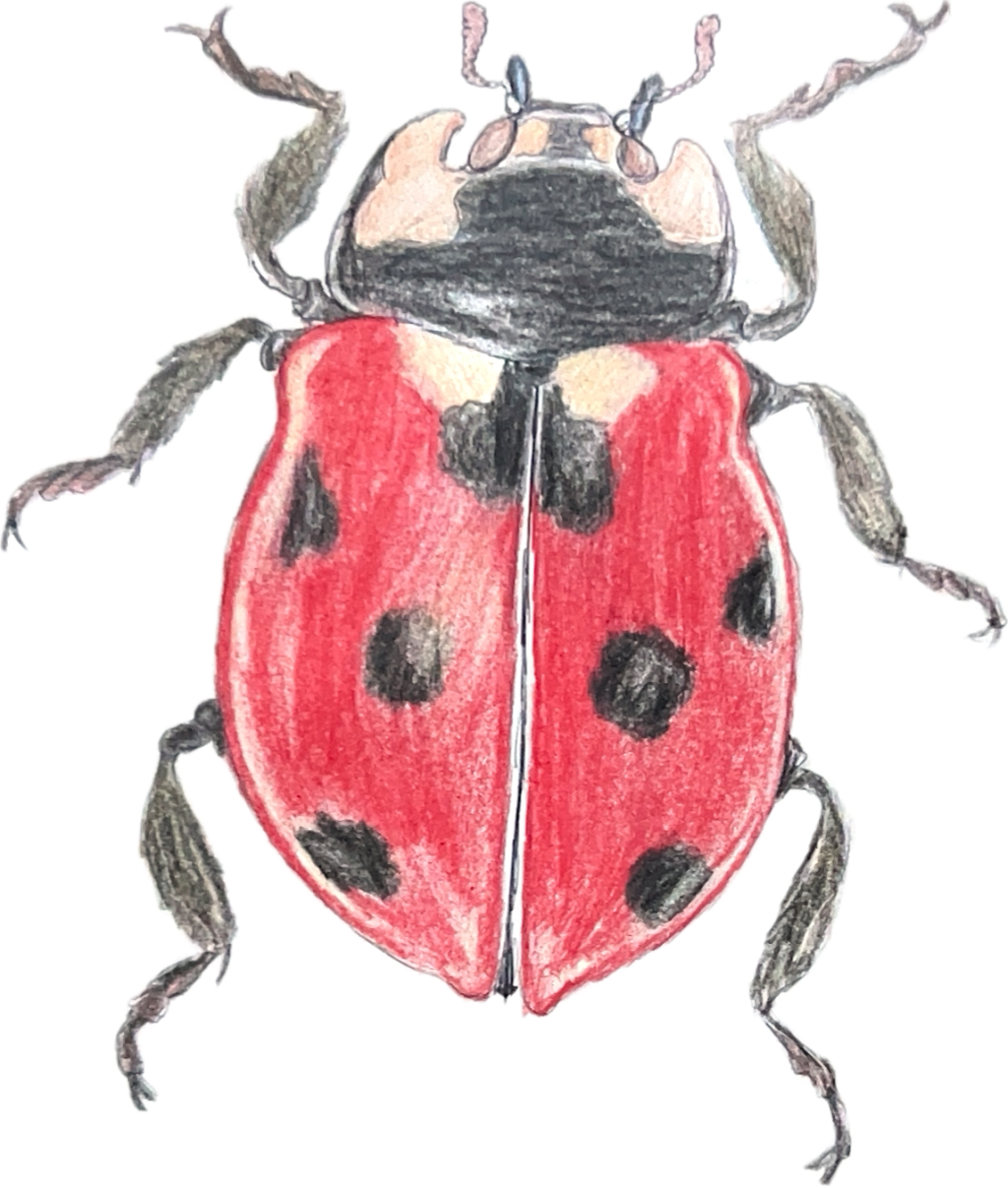
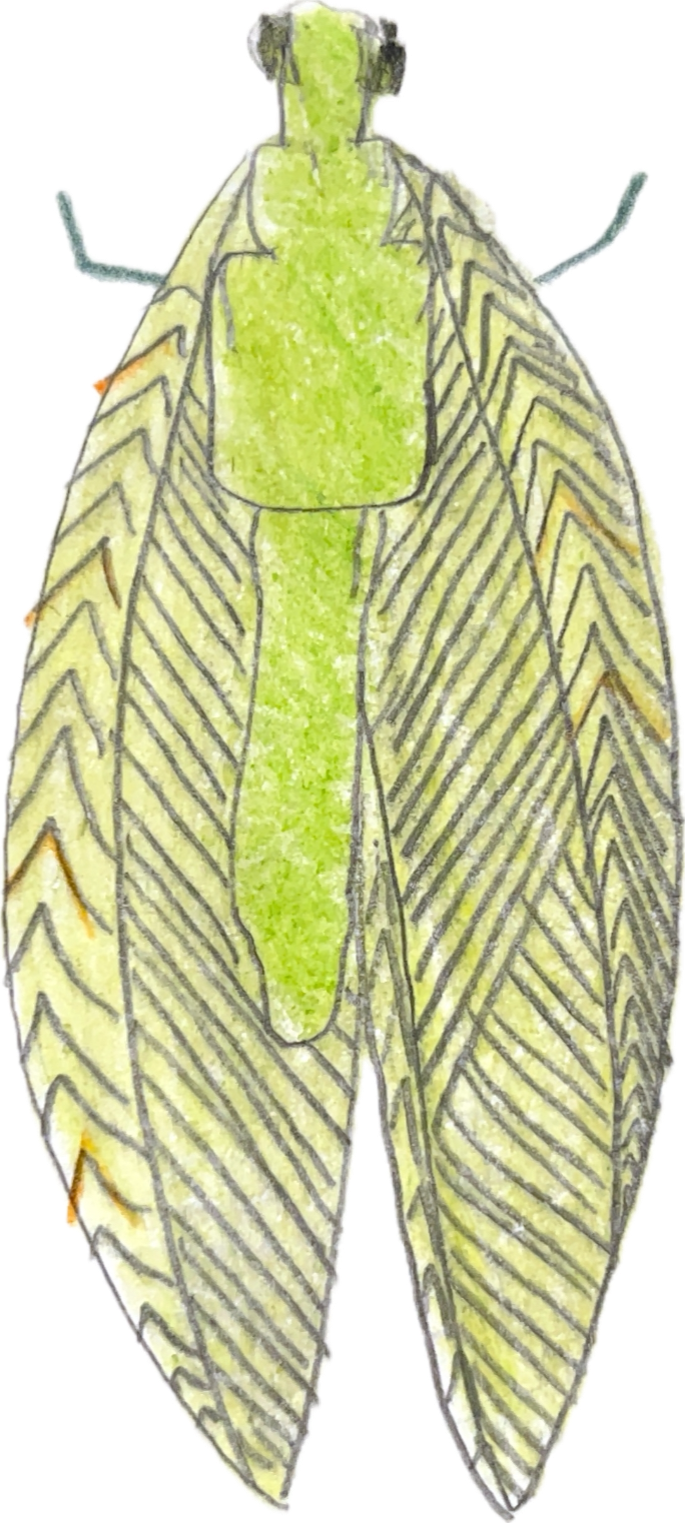
Milkweed Multiverse
For two summers (2023 & 2024), we monitored monarch butterfly eggs, caterpillars and aphids on common milkweed in the heritage garden beds. Aphids are insects widely considered pests impacting the quality of crops and ornamental plants, including milkweeds, by siphoning nutritious fluids from plant vessels. As a result, milkweed stems with high aphid abundance raise concern for monarch conservation efforts in urban milkweed and pollinator gardens. However, our results reveal that milkweeds planted in similar environments attract just as many monarchs regardless of aphid abundance (Quiroz et al. 2025). In other words, there is space for both monarchs and aphids on the same milkweed stem. There may even be synergistic dynamics at play. Aphids and monarch larvae depend on nourishment from milkweed, and their difference in feeding strategies cause a beneficial cross-talk in the defense chemicals triggered in milkweed. When the chemicals that prevent aphid phloem sucking are set off, the chemicals preventing monarch larvae chewing are reduced, making it easier for them to eat (Ali & Agrawal 2014).
There are many other arthropods that interact within milkweed, from which we can draw analogies between wildlife and society. Monarchs have long been used as a symbol for migration without borders. This has provided artists with a visually striking imagery to convey social commentary on the topic of immigration, especially on the Mexican and US border. One could further develop this symbol’s meaning by connecting monarch interactions with other organisms to societal impacts of immigration. Immigrants are heavily targeted due to deep rooted racial discrimination, colonization, and white supremacy, which has led to the justification of their removal including claims of immigrants taking jobs away from “citizens”, evading taxes, committing higher rates of crime, etc. Overpopulation has also been a raised concern because of this disinformation. As immigrants are being targeted in the USA, aphids are also targeted as being perpetrators of lowering milkweed quality, attracting monarch predators, and competing for milkweed resources. Based on our findings, it seems there is room for both monarchs and aphids on the same milkweed stem. Similarly, immigrants contribute to success in all aspects, and resources are plenty available. There is and always has been space for immigrants in the US.
To reflect, the use of wildlife in symbols can be a powerful tool in getting important social justice conversations initiated, but it should not be necessary for change. Political figures and people interested in progressing toward social equity should be able to find the urgency in discussing immigration without an appealing aesthetic like the monarch butterfly. The ecosystems we live within should be appreciated as they are without having inaccurate biology information connotated to them (i.e. snakes being associated with evil). When referencing wildlife in art, we must emphasize its indispensability. The systems that can be observed throughout the monarch migration cycle set an example for immigration in human contexts, but they are also a marvel of their own to be understood without a social parallel.
This infographic, above all else, is a tool to learn about the fascinating system of interactions occurring on milkweed growing in our very own gardens. Learning about interactions within monarch host plants is important in understanding our role in their conservation. Though aphids are often called the “bed bugs” of plants, they may not be of concern to urban efforts toward monarch population growth. This information is also valuable in protecting other species of arthropods sharing host plants with these organisms. Secondly, this infographic can also serve as a promoter for discussing topics such as the xenophobia we are currently witnessing in our land. Afterall, for centuries, monarch butterflies have been a symbol for change, and spirits of loved ones coming to visit for Dia de los Muertos before the creation of these borders. These are accurate to the biology of a monarch's metamorphosis and annual migration cycle.
References

Historias Monarca (Monarch Stories) collects stories from Mexican communities in Chicago about their connections to Monarch butterflies, including conservation practices adapted from Mexico or learned in Chicago, cultural meanings of the Monarch in relation to homeland and the Midwest, and its symbolism for social and environmental justice. Historias Monarca is a storytelling project of the UIC Latino Cultural Center in partnership with UIC Heritage Garden, Enlace Chicago, and Yollocalli Arts Reach with support from the USDA Forest Service International Programs.